Why GRC Matters for Modern Businesses
Modern businesses operate in an environment where risks can emerge from almost anywhere. Cybersecurity threats, changing regulations, data privacy concerns, operational disruptions, third-party risks, and internal process failures can all affect business performance.
As businesses grow, managing these risks through disconnected spreadsheets, emails, and manual processes can become increasingly difficult.
This is where Governance, Risk, and Compliance (GRC) becomes important.
GRC provides a structured approach to help organizations establish accountability, identify and manage risks, meet compliance requirements, and make better-informed business decisions.
For modern businesses, GRC is no longer simply about preparing for audits. It is becoming an important part of building a secure, accountable, and resilient organization.
.
What Is GRC?
GRC stands for Governance, Risk, and Compliance.
Although these three areas have different responsibilities, they are closely connected.
Governance
Governance defines how an organization is directed and controlled. It includes policies, responsibilities, decision-making processes, accountability, and organizational objectives.
Effective governance helps ensure that business activities are aligned with the organization's goals.
Risk Management
Risk management focuses on identifying potential threats and uncertainties that could affect the organization.
These may include:
Cybersecurity risks
Financial risks
Operational risks
Third-party risks
Data security risks
Technology risks
Regulatory risks
Organizations can then assess these risks, assign ownership, establish controls, and monitor them over time.
Compliance
Compliance involves meeting applicable laws, regulations, industry standards, contractual requirements, and internal policies.
Instead of treating compliance as a last-minute activity before an audit, organizations can integrate compliance into their everyday operations.
Together, governance, risk, and compliance create a more connected approach to managing business responsibilities and uncertainty.
Why Does GRC Matter for Modern Businesses?
As organizations become more digital and interconnected, risks can become more complex.
A single security incident, compliance failure, or operational disruption can affect customers, employees, finances, and business reputation.
A structured GRC approach can help businesses manage these challenges more effectively.
1. Improves Risk Visibility
One of the biggest challenges businesses face is not knowing where their most important risks exist.
Risk information may be spread across departments, spreadsheets, emails, and separate systems.
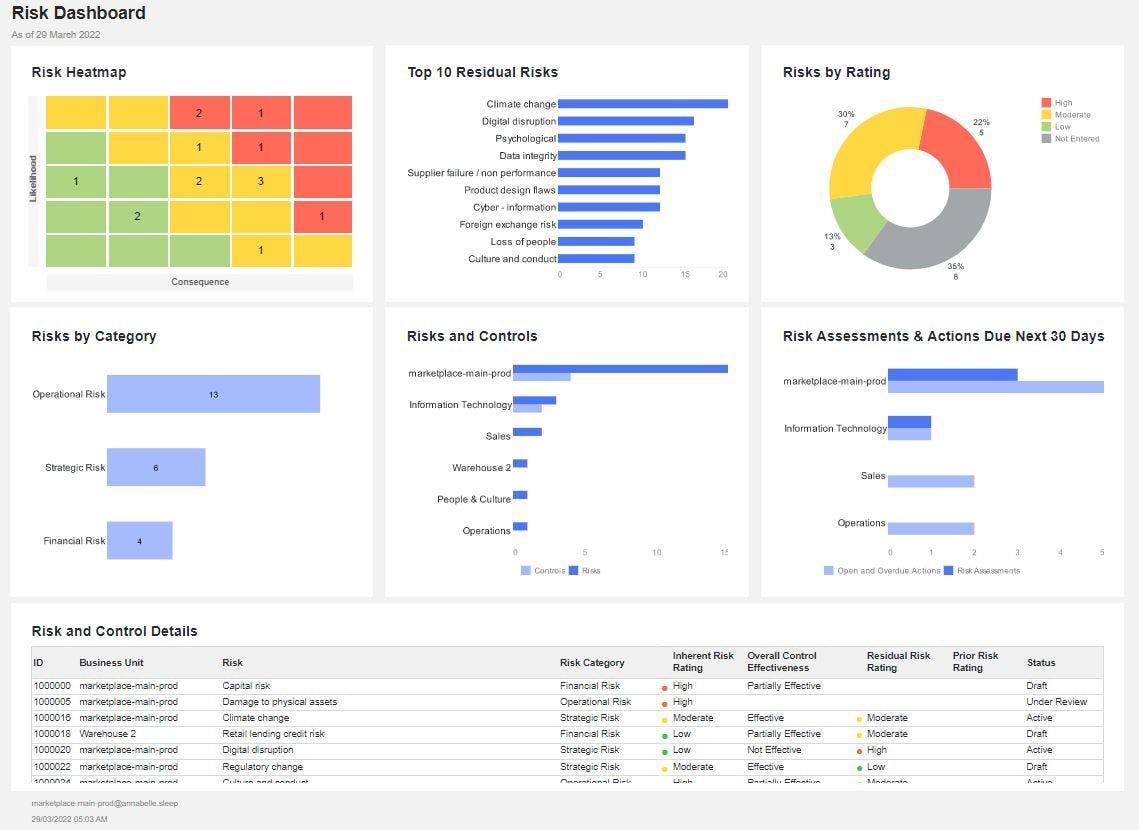
GRC helps bring important risk information into a more centralized and structured environment.
Businesses can identify:
What risks exist
How serious they are
Who owns them
What controls are in place
What actions are still required
This creates better visibility for both operational teams and leadership.
2. Creates Clear Accountability
A risk without an owner can easily become a risk without action.
GRC helps organizations assign responsibility for specific risks, controls, policies, and compliance requirements.
For example, instead of simply recording:
“Cybersecurity risk identified.”
A structured GRC process can identify:
Risk: Unauthorized access to sensitive business dataRisk Owner: IT/Security TeamControl: Multi-factor authenticationAction: Review access permissionsStatus: In Progress
This makes responsibilities clearer and helps organizations track progress.
3. Supports Better Business Decisions
Business decisions often involve uncertainty.
Should a company adopt a new technology?Should it work with a particular third-party vendor?Is an existing control still effective?Which risks require immediate attention?
Having reliable risk and compliance information can give decision-makers better context.
Instead of making decisions based only on assumptions, leadership can consider available risk information, controls, business objectives, and compliance requirements.
GRC therefore becomes more than a compliance function—it can support broader business decision-making.
4. Makes Compliance More Manageable
Compliance requirements can become increasingly difficult to manage as organizations expand into new markets, technologies, and industries.
Managing requirements manually can lead to missed deadlines, incomplete documentation, and unnecessary administrative work.
A GRC approach can help organizations organize:
Policies
Controls
Assessments
Compliance requirements
Evidence
Audit activities
Corrective actions
This can make compliance activities more structured and easier to monitor.
5. Reduces Manual and Repetitive Work
Many GRC activities involve repetitive administrative tasks.
Teams may spend significant time sending reminders, collecting evidence, updating spreadsheets, preparing reports, and following up on outstanding actions.
Technology can help automate many of these workflows.
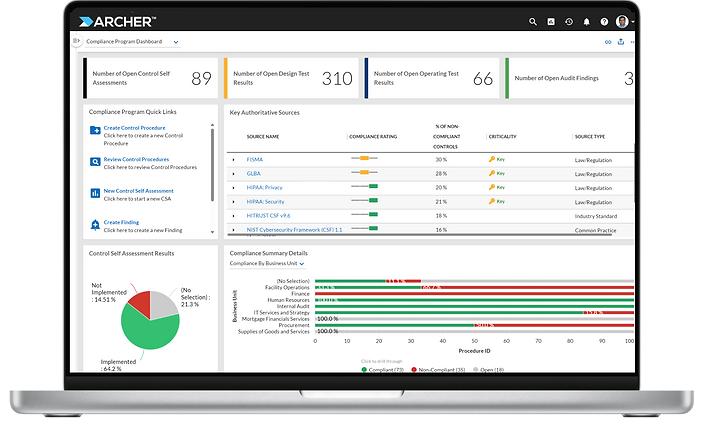
Automated notifications, centralized records, dashboards, assessments, and reporting can reduce unnecessary manual effort.
The goal is not simply to automate GRC—it is to make GRC processes easier to manage and more consistent.
6. Strengthens Cybersecurity and Data Protection
Cybersecurity and GRC are increasingly connected.
A business may have security tools in place, but technology alone does not answer every governance question.
Organizations also need to understand:
Who has access to sensitive information?
Are security controls working?
Which systems have higher risk?
Are policies being followed?
Are vulnerabilities being addressed?
Are employees meeting security requirements?
Can the organization demonstrate compliance?
GRC provides a framework for connecting security risks, controls, policies, and business responsibilities.
This helps organizations take a more coordinated approach to cybersecurity and data protection.
7. Improves Audit Readiness
Audits can become stressful when organizations have to search through multiple systems for policies, evidence, approvals, and control information.
A structured GRC environment can make important documentation easier to organize and retrieve.
Instead of preparing everything at the last minute, organizations can maintain a more continuous state of readiness.
This can help reduce the time and effort required to respond to audit requests.
What Happens When GRC Is Not Properly Managed?
Without a structured GRC approach, businesses may face disconnected processes and limited visibility.
Common challenges include:
Unclear risk ownership
Outdated risk registers
Duplicate compliance work
Missed regulatory requirements
Poor documentation
Manual reporting
Delayed corrective actions
Limited visibility for management
The problem is not always that organizations lack policies or controls.
Sometimes, the bigger problem is that these elements are not connected.
A policy may exist, but nobody may know whether it is being followed. A risk may be identified, but no one may be assigned to manage it. A control may exist, but its effectiveness may not be regularly reviewed.
Effective GRC helps connect these pieces.
How Technology Is Transforming GRC
Traditional GRC processes often depend heavily on spreadsheets, emails, and manual tracking.
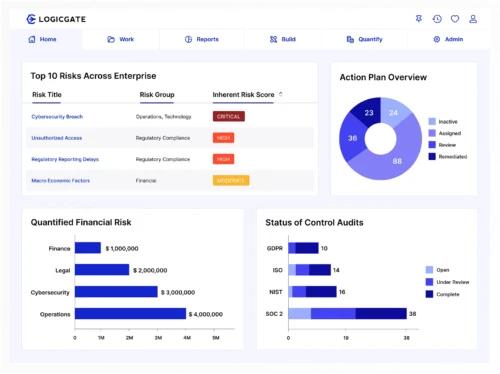
Modern GRC technology can bring these activities together through centralized platforms and automated workflows.
Businesses can use technology to support:
Risk registers
Control management
Policy management
Compliance tracking
Assessments
Audit management
Issue tracking
Automated notifications
Dashboards and reporting
This gives teams a more organized view of their governance, risk, and compliance activities.
More advanced platforms can also use analytics and AI-assisted capabilities to identify patterns, highlight potential issues, and support faster analysis.
However, technology should support a well-defined GRC strategy—not replace thoughtful governance and human decision-making.
How to Build an Effective GRC Strategy
Businesses do not need to transform their entire GRC environment overnight.
A practical approach can begin with understanding the organization's current position.
Step 1: Identify Critical Business Risks
Understand the risks that could significantly affect business operations, customers, finances, technology, and reputation.
Step 2: Assign Risk Owners
Every significant risk should have clear ownership and accountability.
Step 3: Define Policies and Controls
Establish policies and controls that address identified risks and applicable requirements.
Step 4: Monitor and Assess
Regularly review whether controls are working and whether risk levels have changed.
Step 5: Centralize GRC Information
Bring important risk, compliance, policy, control, and action information into a structured environment.
Step 6: Automate Where Possible
Use technology to reduce repetitive tasks such as reminders, assessments, evidence collection, and reporting.
Step 7: Continuously Improve
GRC should not be treated as a one-time project. Business risks and regulatory expectations can change, so organizations should regularly review and improve their GRC processes.
GRC Should Be Part of Business Strategy
The role of GRC is changing.
It is no longer only about checking compliance boxes or preparing documents for auditors.
Modern GRC can help organizations understand their risks, improve accountability, strengthen controls, support compliance, and provide leadership with better information.
The most effective approach is to connect GRC with the organization's broader business strategy.
When governance, risk management, and compliance work together, businesses can build stronger processes while creating greater visibility into the challenges that could affect their growth.
Build a More Connected Approach to GRC with Arav Innovations
Managing risks and compliance through scattered spreadsheets and disconnected processes can make it difficult to understand the bigger picture.
At Arav Innovations, we help businesses take a more structured approach to governance, risk, and compliance through technology-driven solutions.
Our Omni GRC approach is designed to help organizations bring GRC activities into a more connected environment, improve visibility, track responsibilities, and support more efficient risk and compliance management.
Whether your business is strengthening its risk management process, preparing for compliance requirements, improving audit readiness, or looking to centralize GRC activities, the right approach can make a meaningful difference.
Ready to bring your governance, risk, and compliance processes together?
Talk to Arav Innovations today and explore how a structured GRC approach can support your business.
CTA: Get Started with GRC → Contact Arav Innovations