Compliance vs. Pre-Audit Preparation: What Businesses Need to Know
For many businesses, the word audit creates a sense of urgency. Teams start searching for documents, reviewing policies, collecting evidence, and checking whether controls are working as expected.
But there is an important distinction that businesses need to understand:
Compliance is an ongoing process. Pre-audit preparation is a readiness activity.
Preparing for an audit is important, but waiting until an audit is approaching to review compliance can create unnecessary pressure, missed documentation, unresolved risks, and last-minute corrective actions.
A stronger approach is to maintain compliance continuously and use pre-audit preparation as a final readiness check.
With the right Governance, Risk, and Compliance (GRC) approach, businesses can connect everyday compliance activities with audit readiness and maintain better visibility over their risks and controls.
What Is Compliance?
Compliance refers to an organization's ongoing efforts to meet applicable laws, regulations, industry standards, contractual requirements, and internal policies.
It is not limited to preparing documents for an auditor.
Effective compliance involves establishing appropriate policies, implementing controls, monitoring processes, identifying gaps, maintaining evidence, and taking corrective action when required.
Depending on the organization and industry, compliance activities may involve:
Policies and procedures
Risk assessments
Internal controls
Data protection requirements
Security controls
Employee responsibilities
Vendor management
Documentation and evidence
Regular monitoring and reviews
The objective is to ensure that compliance requirements are incorporated into everyday business operations.
In simple terms: Compliance is what a business does continuously to meet its obligations.
What Is Pre-Audit Preparation?
Pre-audit preparation is the process of reviewing an organization's readiness before an internal or external audit.
The focus is generally on determining whether the organization can demonstrate that its required policies, controls, processes, and compliance activities are in place and supported by appropriate evidence.
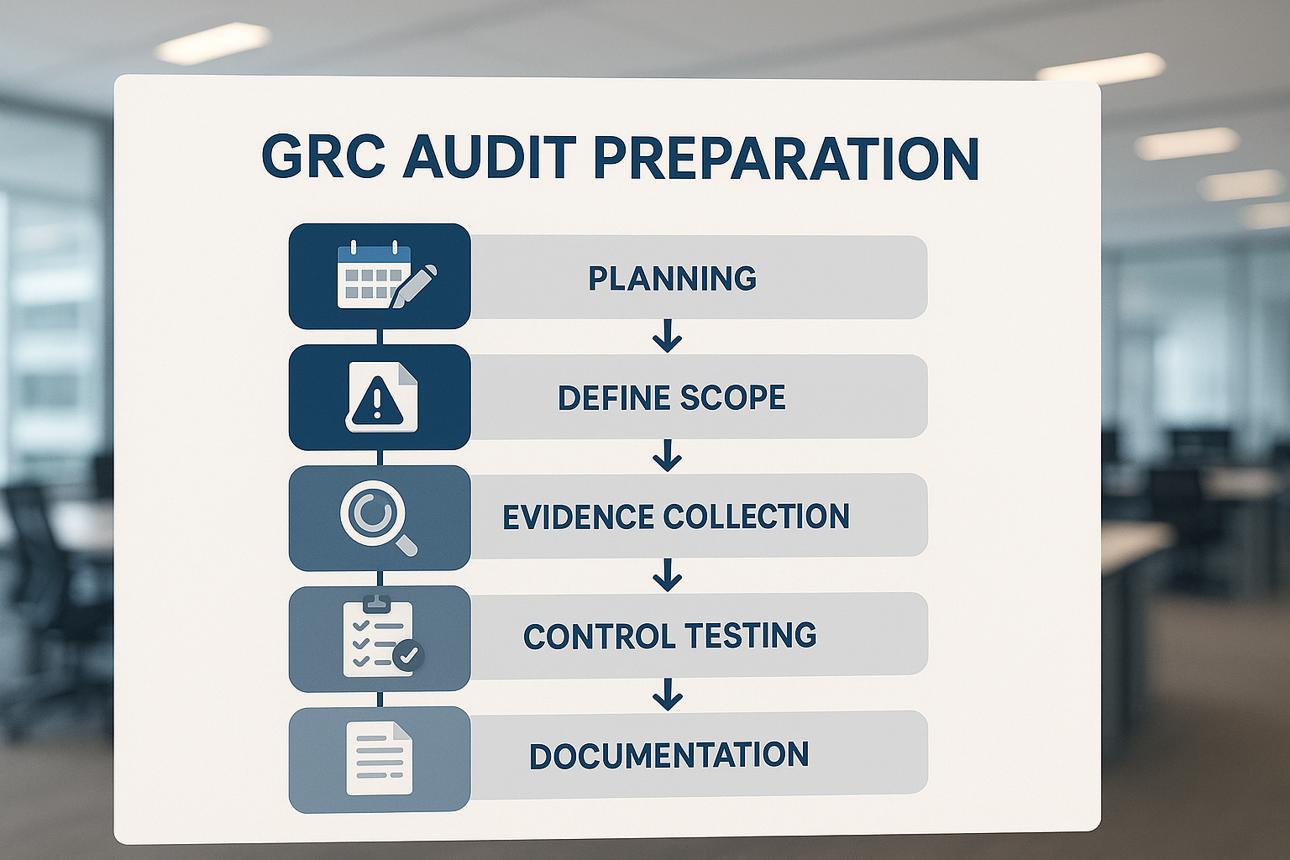
Pre-audit activities may include:
Reviewing policies and documentation
Checking whether controls are operating effectively
Collecting supporting evidence
Identifying compliance gaps
Reviewing previous audit findings
Tracking corrective actions
Confirming responsibilities
Preparing teams for auditor requests
Pre-audit preparation is therefore an important checkpoint, but it should not be the only time a business reviews its compliance position.
Compliance vs. Pre-Audit Preparation
Although these activities are connected, they serve different purposes.
Compliance
Compliance is:
Continuous
Integrated into business operations
Focused on meeting requirements
Supported by policies and controls
Based on ongoing monitoring
Designed to reduce and manage risks
Pre-Audit Preparation
Pre-audit preparation is:
Usually periodic
Focused on audit readiness
Concentrated around a specific assessment or audit
Focused on reviewing evidence and documentation
Designed to identify gaps before the audit
Used to prepare teams for auditor requirements
The two should work together rather than being treated as separate activities.
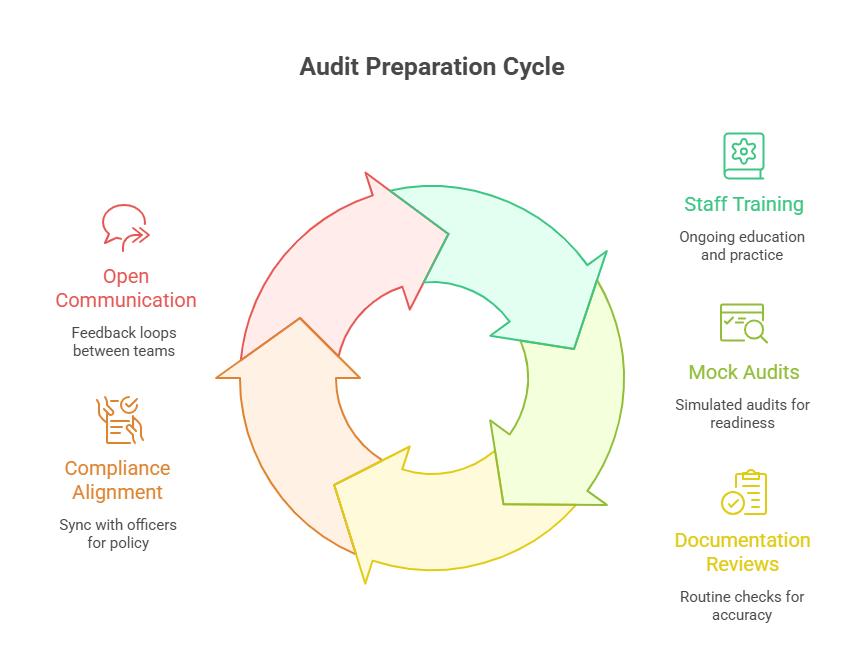
Why Businesses Should Not Wait Until an Audit
One of the biggest mistakes businesses can make is treating compliance as an activity that begins when an audit date is announced.
Last-minute preparation can expose several problems.
Missing Documentation
Policies, procedures, approvals, and other records may not be properly maintained throughout the year.
Outdated Policies
Business processes and technology can change, while policies may remain unchanged.
Unresolved Control Gaps
A control may exist on paper but may not be operating as expected.
Difficulty Finding Evidence
When evidence is stored across emails, folders, spreadsheets, and different systems, collecting it can take considerable time.
Increased Workload
Teams may need to spend significant time performing tasks that could have been managed continuously.
Unexpected Findings
Last-minute reviews may reveal issues that require more time to address than is available before an audit.
This is why organizations benefit from building a culture of continuous compliance and ongoing readiness.
How GRC Connects Compliance and Audit Readiness
Governance, Risk, and Compliance (GRC) provides a structured way to connect business requirements, risks, controls, and compliance activities.
Instead of managing each activity separately, organizations can create relationships between:
Requirements → Risks → Controls → Evidence → Assessments → Corrective Actions
This connected approach can provide greater visibility into the organization's compliance position.
For example, if a business identifies a data protection requirement, it can map that requirement to relevant risks and controls, assign responsibility, monitor control effectiveness, and maintain supporting evidence.
When an audit approaches, much of the necessary information is already organized.
The result is a shift from:
“We need to prepare for the audit.”
to:
“We continuously monitor our compliance and are ready when an audit occurs.”
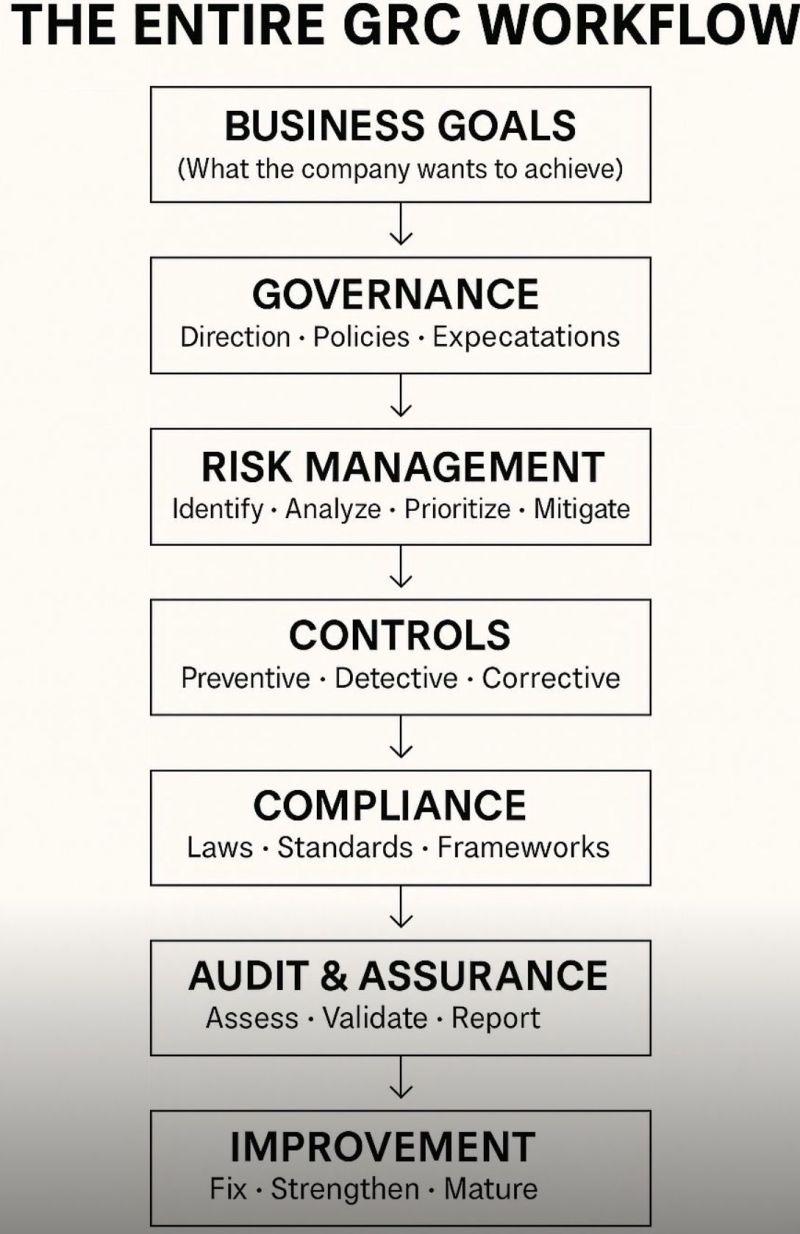
Building Continuous Audit Readiness
Businesses can take several practical steps to improve their compliance and audit readiness.
1. Keep Policies Updated
Policies should reflect current business processes, technologies, responsibilities, and applicable requirements.
2. Regularly Review Controls
Do not assume that a control remains effective simply because it was implemented. Review it periodically and address weaknesses.
3. Maintain Evidence Continuously
Collect and organize relevant evidence as activities occur instead of searching for everything immediately before an audit.
4. Assign Clear Ownership
Every important requirement, risk, and control should have clear accountability.
5. Track Compliance Gaps
Identified issues should be recorded, assigned, prioritized, and monitored until they are resolved.
6. Monitor Changes
Regulatory requirements, technology environments, vendors, and business processes can change. Compliance programs should adapt accordingly.
7. Use Regular Assessments
Periodic assessments can help organizations understand their current compliance position and identify areas that need attention.
How Technology Makes Compliance More Manageable
Managing compliance manually can become increasingly difficult as an organization grows.
Spreadsheets and email can be useful for basic tracking, but they may not provide the visibility and automation required for more complex GRC environments.
Modern GRC technology can help businesses centralize and manage activities such as:
Risk registers
Policy management
Control management
Compliance requirements
Assessments
Evidence collection
Audit management
Issue tracking
Corrective actions
Automated reminders
Dashboards and reporting
A centralized platform can help teams understand what needs attention, who is responsible, what evidence is available, and which actions remain open.
Automation can also reduce repetitive administrative work and help teams maintain more consistent processes.
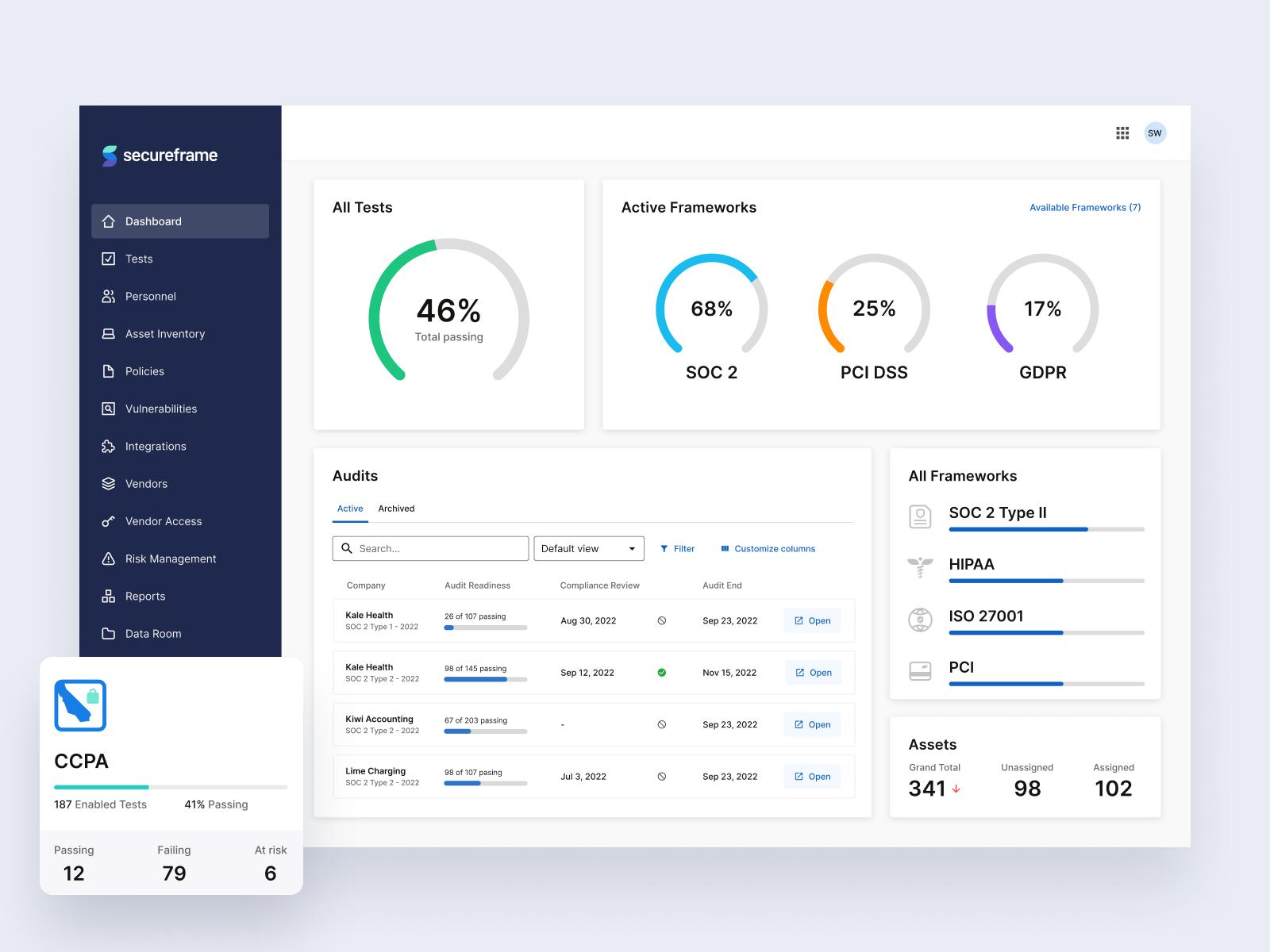
Compliance Is an Ongoing Process, Not an Audit-Day Activity
An audit should provide an opportunity to demonstrate how effectively an organization manages its requirements and controls. It should not be the first time the organization looks closely at them.
The difference between compliance and pre-audit preparation is important.
Compliance focuses on continuously meeting requirements, managing risks, maintaining controls, and monitoring business processes.
Pre-audit preparation focuses on reviewing that work and ensuring the organization is ready to demonstrate it.
When these activities are connected through a structured GRC strategy, businesses can reduce last-minute pressure, improve visibility, strengthen accountability, and respond to audit requirements more efficiently.
The goal is simple:
Don't prepare for compliance only when an audit is coming. Build processes that help your business stay ready throughout the year.
Build Continuous GRC Readiness with Arav Innovations
Managing compliance, risks, controls, and audit activities across disconnected spreadsheets and systems can make it difficult to maintain a clear view of your organization's GRC position.
At Arav Innovations, we help businesses adopt a more structured and technology-driven approach to Governance, Risk, and Compliance.
With solutions such as Omni GRC, organizations can work toward centralizing GRC activities, improving risk visibility, tracking responsibilities, monitoring compliance, and supporting audit readiness.
Whether you are strengthening your compliance process, preparing for an upcoming audit, or looking to move away from fragmented manual GRC processes, having the right technology and strategy can help create a more connected approach.
Ready to move from last-minute audit preparation to continuous GRC readiness?
Talk to Arav Innovations today and discover how a structured GRC approach can help your business manage risk, compliance, and audit readiness more effectively.
CTA: Explore GRC Solutions with Arav Innovations →